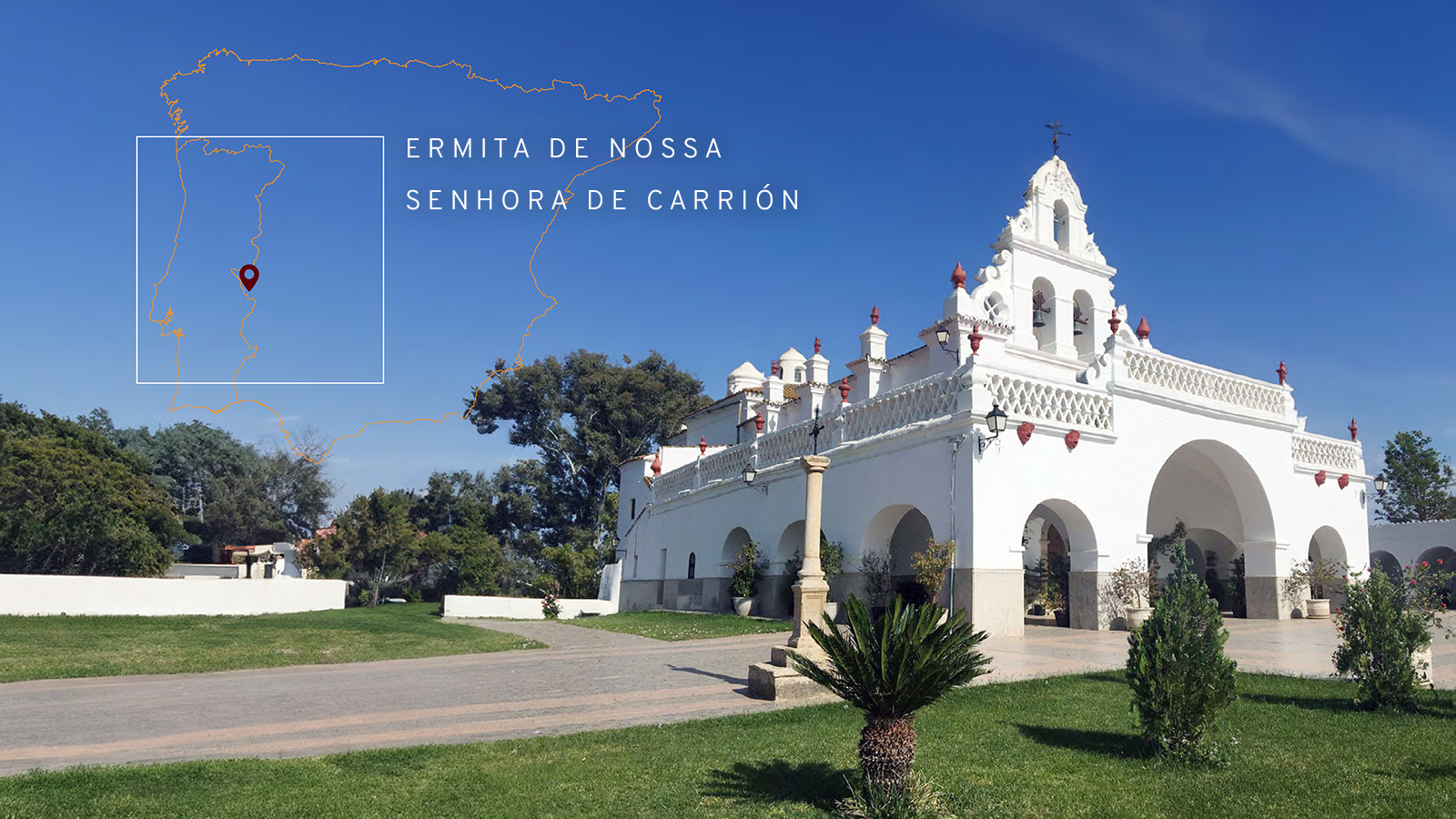
ILUMINA
Promotio of tourism based on the illumination of historical and cultural heritage elements.
€1.740.000
Interreg POCTEP
Interreg
Fostering Cooperation
Interreg funding for European cooperation projects
We help organisations design, prepare and manage Interreg projects that connect territories, address shared challenges and turn cooperation into measurable impact.
Interreg supports cooperation between regions and countries across Europe. Through cross-border, transnational and interregional programmes, it funds projects that improve policies, strengthen territorial cohesion and develop joint solutions in areas such as innovation, sustainability, mobility, climate resilience, governance and social inclusion.
| Shared territorial challenge |  |
Cooperation across borders | |
Joint development + joint implementation | |
Territorial results | = | Interreg |
In Interreg, cooperation is not an additional feature of the project: it is the reason why the project exists.
Interreg is the European Union’s territorial cooperation framework. It helps regions and organisations work together across borders to solve challenges that cannot be addressed effectively by one territory alone.
The programme supports cooperation at different levels: cross-border cooperation between neighbouring territories, transnational cooperation across wider geographical areas, interregional cooperation to improve public policies, and cooperation involving outermost regions.
Depending on the programme, Interreg can support joint solutions to cross-border challenges, transnational cooperation, policy learning and capacity building, pilot actions and long-term cooperation between European territories.

Interreg is especially relevant for organisations with a territorial, public-interest or ecosystem-building role. Eligibility depends on each programme and call, but Interreg projects usually involve consortia formed by partners from different countries or regions.
Interreg can support policy development, territorial strategies, governance models, capacity building and cooperation between regions facing similar challenges.
Research and knowledge organisations can contribute technical expertise, evidence, methodologies and pilot activities in cooperation projects.
Clusters, chambers of commerce and innovation agencies can help SMEs and regional ecosystems adopt new solutions, improve competitiveness and connect with European partners.
Interreg can fund collaborative initiatives with social, environmental, cultural or territorial impact, especially when they respond to shared needs across regions.
In some programmes and calls, private organisations may participate when their role contributes to the project’s objectives and the programme rules allow it.
An Interreg proposal is not only evaluated as an innovation or investment project. It must also prove why cooperation is necessary, why the selected territories are relevant and how the results will improve policies, practices or services beyond the individual partners.
A strong Interreg project should show:
A shared territorial challenge.
A clear reason for cooperation.
A balanced and credible partnership.
A realistic work plan.
Measurable outputs and results.
Transferability to other regions.
Long-term use of project outcomes.
Alignment with the selected programme’s priorities.

Interreg is not a single call, but a family of programmes. Each one has its own geography, priorities, eligible partners, co-financing rates and deadlines. The official Interreg portal allows organisations to explore programmes by country, thematic objective and programme type.
Interreg A — Cross-border cooperation
Your challenge exists on both sides of a border For neighbouring territories that need to address shared cross-border challenges through joint solutions, services, strategies or actions. For example: POCTEP · POCTEFA · NEXT MED, etc.
Interreg B — Transnational cooperation
Your challenge affects a wider European territory or functional area For organisations working across larger cooperation areas or sea basins on challenges that require coordinated transnational solutions, such as climate resilience, innovation, mobility, energy or territorial development. For example: Euro-MED · Atlantic Area · SUDOE · North-West Europe, etc.
Interreg C — Interregional cooperation
Your objective is to improve policies and regional development through learning across Europe For organisations seeking to exchange experience, build capacity and improve regional development policies through cooperation with territories across Europe. So, Interreg Europe is one of the programmes under this strand.
Interreg D — Outermost regions
Your project connects an EU outermost region with neighbouring territories For cooperation between the EU’s outermost regions and neighbouring countries and territories, addressing their specific geographic and development challenges. Esto reproduce correctamente la arquitectura oficial sin convertirse en una clase teórica. For example: INTERREG MAC.
Interreg may be a good fit if your organisation wants to cooperate with partners from other territories and your project is linked to a shared regional challenge.
Interreg proposals require more than a good idea. They need a clear territorial logic, a balanced consortium, strong alignment with the selected programme and a convincing work plan. Zabala Innovation supports organisations throughout the full project lifecycle.
Opportunity analysis
We identify the Interreg programme and call that best fit your organisation, territory and project idea.
Project concept development
We help transform an initial idea into a structured cooperation project with clear objectives, target groups, activities and expected results.
Consortium building
We support the identification of complementary partners and help define roles, responsibilities and contribution to the project.
Proposal writing
We prepare the technical proposal, work plan, budget narrative and impact logic, ensuring coherence with the programme’s priorities and evaluation criteria.
Budget and administrative support
We help structure an eligible, realistic and balanced budget, taking into account the specific rules of each programme.
Project management
Once funded, we support coordination, reporting, financial monitoring, partner management and communication obligations.
Zabala Innovation has a proven track record in Interreg and European territorial cooperation projects. Between 2021 and 2025, the consultancy mobilised €33.2 million in Interreg funding for its clients, exceeding the €32.5 million mobilised during the entire 2014–2020 framework.
As part of its wider Regions & Cities activity, Zabala Innovation has submitted more than 130 EU proposals and secured funding for more than 48 proposals, representing over €117 million in funded projects. Based on the latest internal update from September 2026, this represents an overall funding rate of 41% across Regions & Cities calls.
Latest internal update: September 2026. Four EUI proposals were pending resolution at the time of the update.
Beyond Interreg, Zabala Innovation’s Regions and Cities area secured €70 million for clients in the 2021–2027 period up to 2025, compared with €44 million in the 2014–2020 framework.
+130
EU proposals submitted to Regions & Cities calls.
+48
EU proposals funded.
+€117M
EU funding secured for funded proposals.
41%
Overall funding rate.
Zabala Innovation has long-standing experience in European funding programmes and in supporting organisations across the full project cycle: from opportunity analysis and proposal preparation to project management, communication and impact reporting. For Interreg projects, this experience is especially valuable because the proposal must combine technical quality, policy relevance, partnership logic and territorial impact.
Promotio of tourism based on the illumination of historical and cultural heritage elements.
€1.740.000
Interreg POCTEP
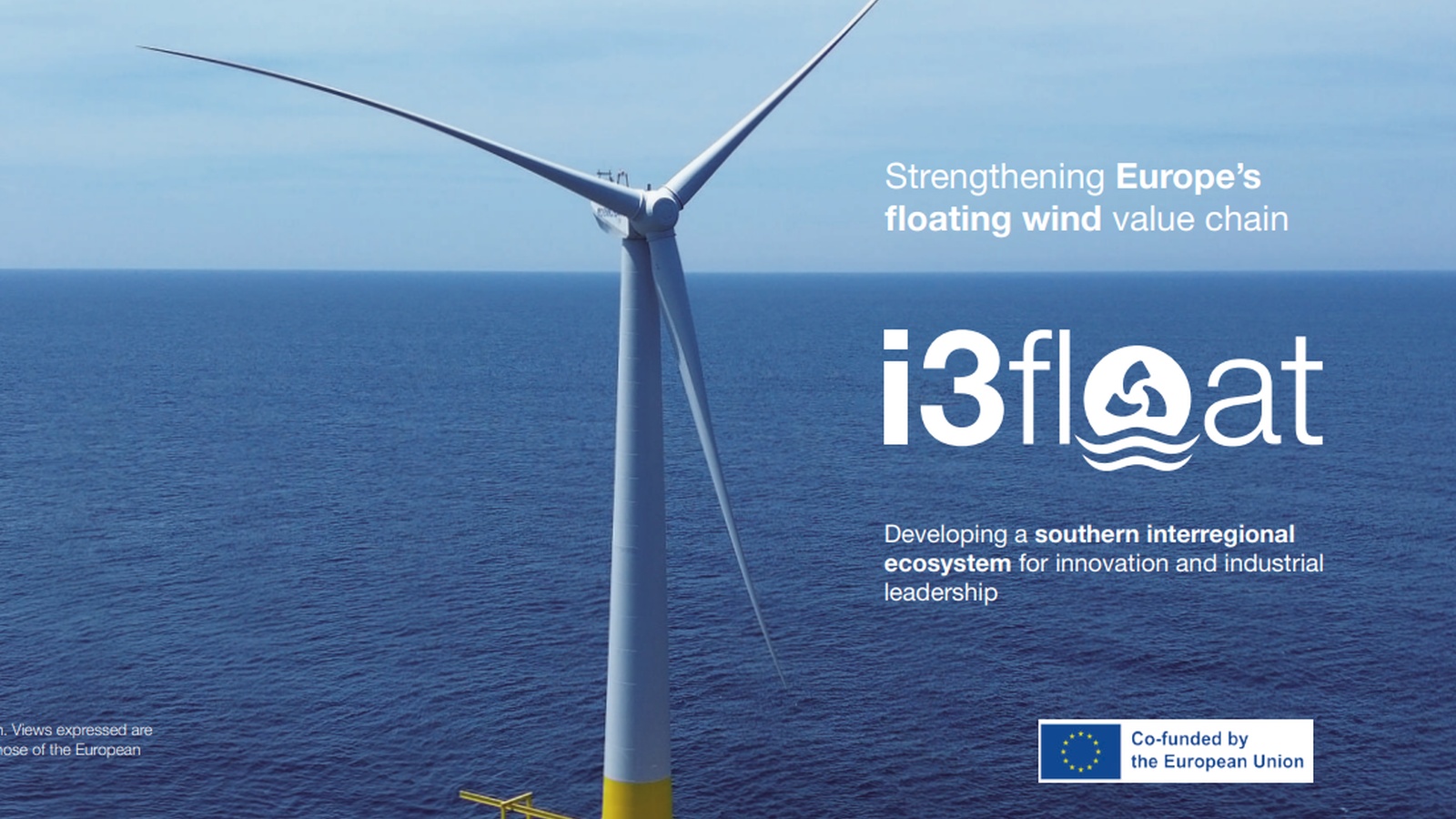
Developin a southern interregional value chain to consolidate european leadership in floating wind and accelerate innovation time-to-market.
€9.044.119
Interregional Innovation Investments (I3)

Integrated water cycle management at the transboundary level.
€3.627.436
Interreg POCTEFA
Although many Interreg 2021–2027 calls are already well advanced, organisations working on regional innovation, territorial development and interregional cooperation can still explore other European funding opportunities.
At Zabala Innovation, we help public authorities, regional agencies, innovation ecosystems, clusters, research organisations and companies identify the most suitable funding route according to their territory, maturity level and strategic objectives.
Explore other opportunities for regions and cities:
I3 supports interregional innovation projects that help mature partnerships move towards market deployment, scale-up and investment. It is especially relevant for regional innovation ecosystems, SMEs, clusters, research organisations and public authorities working around shared smart specialisation priorities.
The European Urban Initiative supports cities in testing innovative solutions to urban challenges and sharing knowledge with other urban authorities across Europe.
European Innovation Ecosystems calls support connected, inclusive and efficient innovation ecosystems across Europe, helping regions, startups, investors, public authorities and innovation actors collaborate more effectively.
URBACT helps cities cooperate, exchange knowledge and improve local policies through integrated and participatory approaches to sustainable urban development.
LIFE funds environmental and climate action projects, including initiatives linked to climate adaptation, circular economy, biodiversity, clean energy transition and local or regional sustainability strategies.
CEF supports strategic infrastructure projects in transport, energy and digital connectivity, including opportunities linked to sustainable mobility and territorial development.
What is Interreg funding?
Interreg funding supports European territorial cooperation projects. It helps organisations from different regions or countries work together on shared challenges such as innovation, climate, mobility, governance, social inclusion and regional development.
What is the difference between Interreg A, B, C and D?
Interreg A supports cross-border cooperation between neighbouring territories; Interreg B addresses shared challenges across larger transnational areas and sea basins; Interreg C supports interregional cooperation and policy learning across Europe; and Interreg D focuses on cooperation between the EU’s outermost regions and neighbouring territories. Each strand includes different programmes with its own geography, priorities and eligibility rules.
How do I know which Interreg programme applies to my project?
The right programme depends first on geography and the territorial challenge you want to address, and then on the programme’s priorities, eligible organisations and type of cooperation. The location of the project partners is therefore a key factor when assessing Interreg eligibility.
Who can participate in an Interreg project?
Eligibility depends on the specific programme and call. Public authorities, regional agencies, universities, research centres, clusters, associations, non-profit organisations and, in some cases, companies may participate.
How much funding does Interreg provide?
Funding rates vary between programmes and partner types. Many Interreg programmes co-finance a substantial share of eligible project costs, but the applicable rate must always be checked in the specific programme and call.
Does Interreg fund companies?
Some Interreg programmes allow private organisations to participate, but conditions vary. In many cases, companies are involved as partners, beneficiaries, pilot participants or stakeholders, depending on the programme rules.
What makes a strong Interreg project?
A strong Interreg project starts from a genuine shared territorial challenge and demonstrates why cooperation is necessary to address it. Partners should have complementary roles, jointly develop and implement the project and produce results that create value beyond individual organisations or territories.
What is the difference between Interreg and other EU programmes?
Interreg is primarily driven by territorial cooperation. If the main objective is R&D, individual investment, technology scale-up or an urban innovation pilot, programmes such as Horizon Europe, I3 or the European Urban Initiative may be more appropriate. The right funding route depends on the project’s objective, maturity, geography and partnership model.
What makes a good Interreg project?
A good Interreg project has a clear shared challenge, a strong cooperation need, a balanced partnership, realistic activities and results that can be transferred or used by other regions.
Can Zabala Innovation help with an Interreg proposal?
Yes. Zabala Innovation can support opportunity analysis, project concept development, consortium building, proposal writing, budget preparation and project management once the project is approved.

