
ILUMINA
Promotio of tourism based on the illumination of historical and cultural heritage elements.
€1.740.000
Interreg POCTEP
The I3 Instrument supports interregional innovation investments and capacity building across European regions, helping innovation actors strengthen value chains, bring mature solutions towards the market and build the capacity to develop future investment projects. At Zabala Innovation, we support companies, clusters, regional authorities, research organisations and innovation ecosystems in the design, preparation and management of competitive I3 proposals. Our work focuses on building strong interregional value chains, aligning projects with Smart Specialisation Strategies and turning promising technologies into credible investment cases.
What makes I3 different from any other European aid?
| Mature innovation TRL 6+ for investment projects |
+ | Interregional cooperation Complementary capabilities across European regions |
+ | Smart Specialisation Shared or complementary S3 priorities |
+ | Value-chain investment | = | I3 |
I3 bridges the gap between mature innovation, regional specialisation and investment, helping European value chains move towards deployment, scale-up and market uptake.
The I3 Instrument supports European regions that want to work together on innovation projects with a clear route to the market. It was created to help regional ecosystems move beyond cooperation and towards real investment, demonstration, scale-up and commercial deployment.
Unlike programmes focused mainly on research, I3 is designed for projects that already have a significant level of maturity. It helps consortia overcome market, regulatory, financial and value-chain barriers, while connecting regions with shared or complementary Smart Specialisation priorities.
This makes I3 especially relevant for organisations that already have a tested technology, solution or business case, but need European support to validate it at scale, connect with other regions, integrate SMEs into value chains or prepare the next investment phase.
I3 is relevant for organisations that can contribute to interregional innovation value chains. The strongest proposals usually combine market-oriented partners, regional anchoring and a clear investment logic.
Companies, particularly SMEs, are central to I3 investment projects. They can contribute to the deployment, testing, market uptake and scale-up of innovative solutions within an interregional value chain. Depending on the call design, SMEs may also receive support through Financial Support to Third Parties (FSTP).
Clusters and business networks can mobilise SMEs, connect regional actors and help build or strengthen interregional value chains. In some calls, they can also act as coordinators when they meet the specific eligibility requirements.
Regional authorities can use I3 to strengthen Smart Specialisation priorities, connect local innovation ecosystems with European value chains and support the participation of less developed regions in market-oriented innovation projects. Their role can include linking regional innovation strategies with interregional investment opportunities, mobilising regional ecosystems and supporting the long-term integration of project results into regional policies and value chains.
Research centres, universities and technology organisations can provide testing, validation, demonstration and technology-transfer capabilities. Their role is particularly relevant when technical expertise needs to be connected to market deployment and industrial adoption.
Innovation agencies, development organisations, clusters and other intermediaries can help identify investment opportunities, mobilise companies, connect regional capabilities and build the conditions required for interregional value-chain development.
I3 calls are usually structured around different strands. Each one responds to a different level of maturity and regional capacity.
For consortia developing interregional investment portfolios around shared or complementary Smart Specialisation priorities. The focus is on strengthening European value chains and accelerating demonstration, market uptake and scale-up.
2026: minimum 5 independent entities from 5 different regions in at least 3 eligible countries, including at least 2 entities from less developed regions.
For interregional investment projects that create new value chains or integrate less developed and transition regions into European value chains. Projects must give these regions concrete and sustainable roles in the targeted value chains.
2026: minimum 3 independent entities from 3 different regions in at least 2 eligible countries, including at least one entity from a more developed region.
For less developed regions that need to strengthen their innovation ecosystems, mobilise companies and develop future interregional investment projects. Activities can include ecosystem development, value-chain analysis, business and investment planning, matchmaking, staff exchange, pilot support schemes and policy learning. Strand 2b is not a technology-development call. Research as such is not eligible, and Financial Support to Third Parties is not allowed.
2026 call: closed on 19 March 2026. Projects generally run for 18–24 months and receive up to 100% funding
Your project may be a good fit for I3 if it meets several of these conditions:
I3 is usually not the best option for early-stage research ideas, projects without a clear market path or consortia that are not yet anchored in regional innovation priorities.
Strategic fit and strand selection
We assess whether I3 is the right instrument for your project, identify the most appropriate strand and detect the main eligibility, consortium, investment and positioning gaps before proposal preparation begins
Capacity building and ecosystem strategy
We map key stakeholders, capabilities and gaps, and design tailored training, mentoring and knowledge-transfer activities. We also help define ecosystem governance, collaboration mechanisms and funding roadmaps to build sustainable partnerships and turn strategic priorities into investable R&I initiatives.
Funding strategy
We compare I3 with other European and regional funding opportunities, including Interreg, Horizon Europe, EIC, Digital Europe, LIFE, Innovation Fund and ERDF instruments. This helps organisations choose the most suitable route.
Consortium and value-chain design
We help structure the consortium around a credible interregional value chain. This includes partner roles, regional complementarity, SME participation, market positioning and Smart Specialisation alignment.
Proposal writing and coordination
We support the preparation of the technical proposal, impact logic, work plan, budget narrative, implementation structure and supporting evidence. The objective is to make the proposal clear, competitive and aligned with the evaluation criteria.
Business case and exploitation strategy
I3 proposals need more than a good innovation story. They need a credible route to market. We help define exploitation, investment readiness, replication potential, value-chain impact and long-term sustainability.
Grant agreement and project management
When a proposal is selected, we support the grant agreement phase and the administrative, financial and technical management of the project. We also help with reporting, communication, dissemination and impact monitoring.
I3 sits between European funding, regional innovation policy, Smart Specialisation and market deployment. Our teams combine these perspectives to build projects that are technically credible, regionally anchored and commercially relevant. From ZABALA we bring:
European funding and evaluation expertise
Experience across EU programmes and proposal evaluation logic.
Regional and Smart Specialisation expertise
Work with regional authorities, innovation ecosystems and S3 priorities.
Market-oriented innovation and investment
Experience connecting technology, business cases, value chains, SMEs and exploitation.
+130
EU proposals submitted to Regions and cities calls
+48
EU proposals funded (+117M€)
41%
Funding rate
73%
Succes rate in Interreg (Euro-MED, POCTEFA, POCTEP, ATLANTIC, SUDOE...)
27%
Succes rate in other programmes (HE, SMP, I3, EIE, EUI)
Zabala Innovation has supported the preparation and management of Project proposals in different programmes reaching a total EC contribution of +50M€
Promotio of tourism based on the illumination of historical and cultural heritage elements.
€1.740.000
Interreg POCTEP
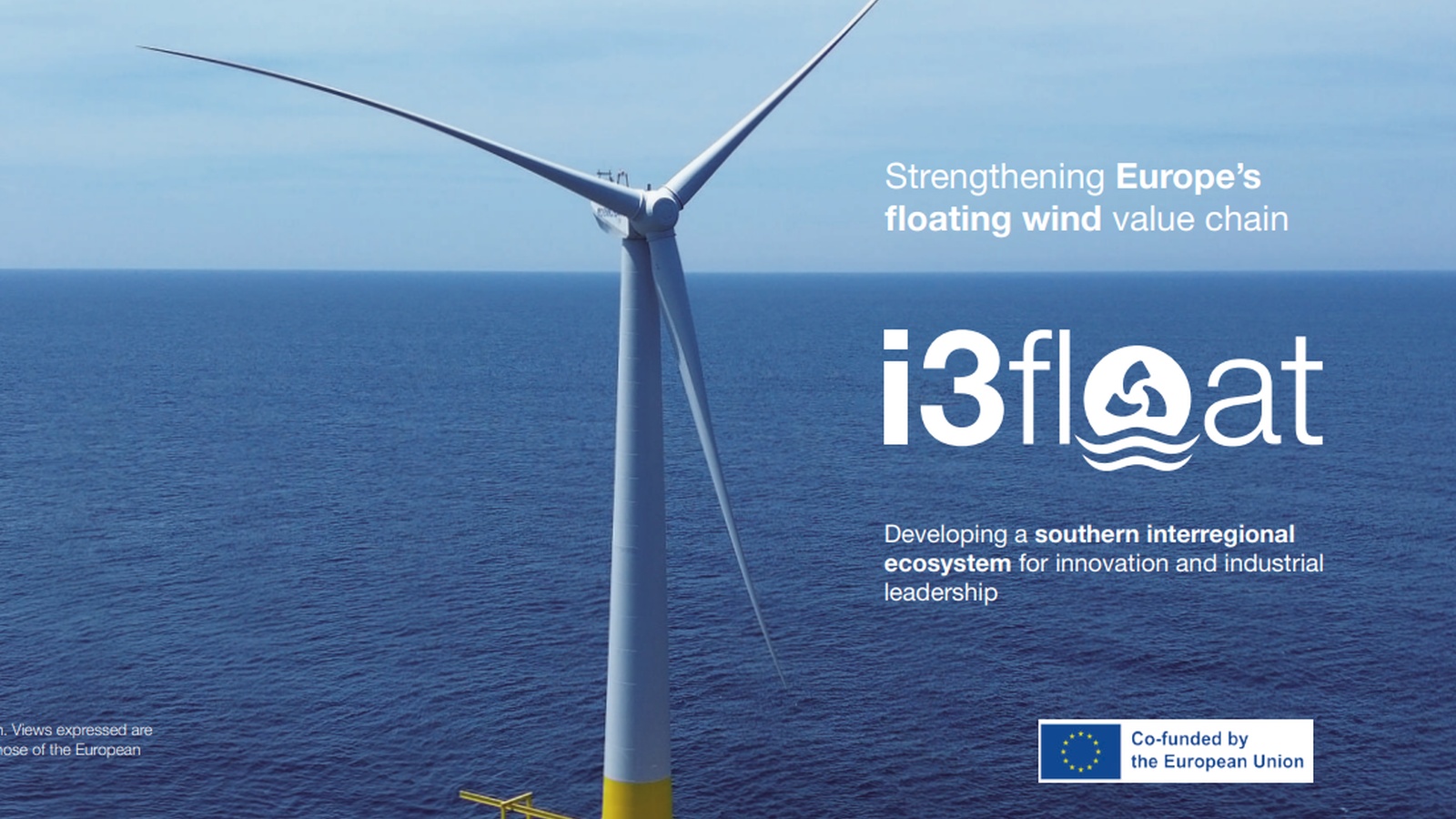
developin a southern interregional value chain to consolidate european leadership in floating wind and accelerate innovation time-to-market.
€9.044.119
Interregional Innovation Investments (I3)

Integrated water cycle management at the transboundary level.
€3.627.436
Interreg POCTEFA
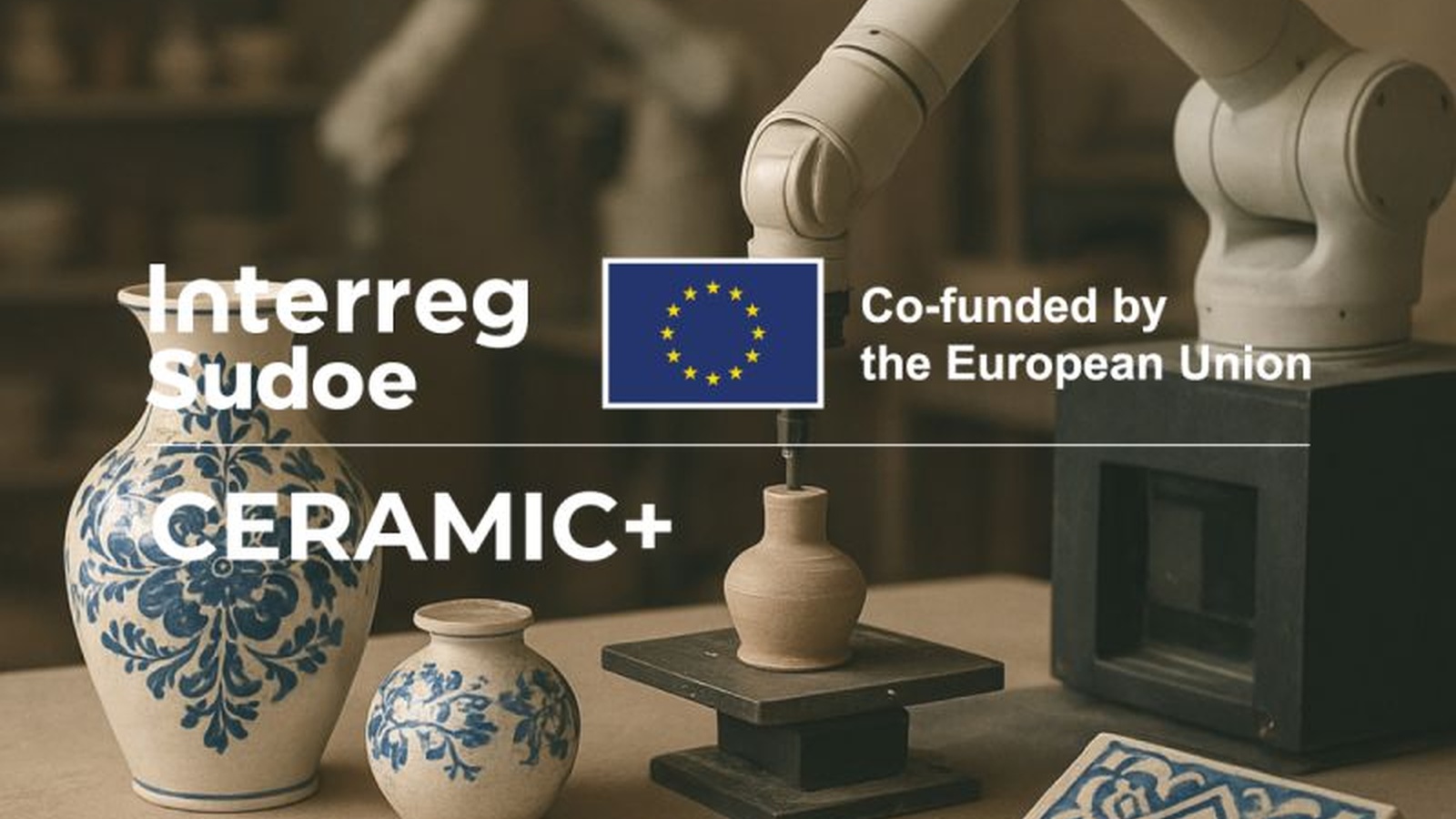
Integration of traditional ceramic crafts with modern technologies for the revitalization of the SUDOE craft sector.
€1.320.692
Interreg SUDOE

Regional cultural lighthouses for the promotion of culture and sustainable tourism. €1.437.041
Interreg SUDOE

European Circular Innovation Valley - The Circular Dance Floor
€27.158.123
European Innovation Ecosystem (EIE)
Relevant services include European funding strategy, proposal writing, consortium building, business case development, exploitation planning, innovation strategy and project management.
Relevant services include value-chain mapping, partner mobilisation, interregional cooperation design, proposal coordination, communication, dissemination and impact strategy.
Relevant services include Smart Specialisation alignment, funding roadmap design, ecosystem mapping, project pipeline development, stakeholder engagement and policy-oriented impact narratives.
Relevant services include proposal development, technical work package design, exploitation strategy, dissemination, communication and support in turning research results into market-oriented innovation projects.
Step 1: Strategic fit
The first step is to confirm whether the project is aligned with I3, which strand is most suitable and whether the consortium has the right level of maturity.
Step 2: Interregional value-chain design
The project must show why cooperation between regions is necessary, how each region contributes and how the expected results will strengthen European value chains.
Step 3: Proposal preparation
The proposal must explain the innovation, the investment logic, the market opportunity, the work plan, the role of each partner, the expected impact and the credibility of the implementation plan.
Step 4: Evaluation and grant agreement
If selected, the project enters the grant agreement phase. This requires administrative, legal and financial preparation, as well as alignment between all partners.
Step 5: Implementation and impact
Once launched, the project must deliver technical results, financial reporting, communication, dissemination, exploitation and measurable impact for the participating regions and organisations.
I3 can be the right programme for mature interregional innovation investments. However, depending on the project stage and objective, other programmes may be more suitable.
What is the Interregional Innovation Investments (I3) Instrument?
The Interregional Innovation Investments (I3) Instrument is an ERDF-funded instrument that supports interregional cooperation in innovation. It uses Smart Specialisation Strategies (S3) to connect regional strengths, strengthen European value chains and support innovation projects moving towards scale-up, commercialisation and investment. I3 includes three strands covering interregional investment and regional capacity building.
Who manages the I3 Instrument?
The I3 Instrument is managed by the European Innovation Council and SMEs Executive Agency, known as EISMEA.
What is the difference between I3 Strand 1, Strand 2a and Strand 2b?
The three strands address different project needs:
Strand 1 – Interregional innovation investments: supports interregional investment projects based on shared or complementary Smart Specialisation priorities, with the aim of strengthening European value chains and bringing mature innovations towards demonstration, market uptake and scale-up.
Strand 2a – Regional value chains in less developed and transition regions: supports interregional investments that create or strengthen value chains by integrating less developed and transition regions into European value chains, with concrete and sustainable roles for these regions.
Strand 2b – Capacity building: supports less developed regions and their innovation ecosystems in strengthening institutional and organisational capacity, improving investment readiness, mobilising companies and preparing future interregional investment projects under I3 Strand 1 or 2a and other EU programmes.
What type of projects does I3 fund?
I3 funds mature innovation projects that can demonstrate, validate, scale or commercialise solutions through interregional cooperation. Projects should contribute to European value chains and show clear market potential.
Which organisations can participate in I3 projects?
I3 brings together innovation actors from the quadruple helix, including companies and SMEs, public authorities, research and academic organisations, clusters, innovation agencies and other ecosystem organisations. The exact eligibility requirements and consortium composition depend on the strand and the specific call.
What is the expected role of regions and companies in an I3 project?
I3 is not only about combining technologies or organisations from different countries. Projects should demonstrate a clear interregional logic and explain how the participating regions and innovation ecosystems contribute to the targeted value chains.
In the investment strands, companies – particularly SMEs – are expected to play a clear role in deployment, market uptake and scale-up. Strand 2b places greater emphasis on public authorities, innovation intermediaries and ecosystem actors that can strengthen regional capacity and prepare future investment opportunities.
What are the main funding conditions under I3?
For Strands 1 and 2a, projects can receive grants of up to €10 million, with an EU contribution of up to 70% for eligible beneficiaries and up to 100% for Financial Support to Third Parties (FSTP), subject to the specific call conditions.
For Strand 2b, the 2026 call provided grants of normally €500,000 to €1.5 million, with a funding rate of 100%.
What is the minimum consortium structure for I3?
The consortium requirements differ by strand and should be checked against the relevant call.
Strands 1 and 2a require an interregional consortium covering eligible regions and countries, with specific requirements concerning the participation of less developed and/or transition regions.
For Strand 2b, the 2026 call required at least two independent legal entities representing two regional ecosystems from two different eligible countries, including at least one less developed region and one more developed region. The coordinator had to be established in a less developed or outermost region and meet specific eligibility conditions.
Is I3 suitable for a project that is still mainly focused on research and technology development?
Generally, no for the investment strands. I3 is intended for mature innovation and investment cases starting at TRL 6 or above, with a focus on demonstration, deployment, market uptake, scale-up and commercialisation.
Strand 2b is also not a research funding instrument: the 2026 call explicitly excluded funding for research per se and focused instead on capacity building, investment readiness, ecosystem development and preparation of future investment projects.
Can I3 fund future projects or investment opportunities that are not yet ready to apply?
Yes, but the appropriate strand matters. Strands 1 and 2a focus on mature interregional investment projects. Strand 2b is specifically designed to build the capacity of regional innovation ecosystems, strengthen investment readiness and identify future investment opportunities that can later develop into I3 Strand 1 or Strand 2a projects or other EU-funded initiatives.
What Technology Readiness Level (TRL) is required for I3?
For the investment strands, I3 business and investment cases start from a minimum TRL 6. The focus is therefore on mature innovations that can progress towards demonstration, market uptake, scale-up and commercialisation.
Strand 2b follows a different logic and is a capacity-building strand rather than a technology-development call, so it is not defined around a minimum TRL.
Can SMEs participate in I3 projects?
Yes. SMEs have a central role in I3 investment projects, particularly in the deployment, demonstration, market uptake and scale-up of innovative solutions. The investment strands also provide for financial support to third parties (FSTP), and in the 2026 calls the maximum support per SME through FSTP was increased to €100,000.
How important are Smart Specialisation Strategies (S3) in I3?
S3 is a core element of the I3 Instrument. Investment projects under Strands 1 and 2a should build on shared or complementary Smart Specialisation priorities and demonstrate how interregional cooperation strengthens value chains and regional innovation ecosystems. Strand 2b also uses S3 as a basis for building regional capacity and identifying future investment opportunities.
Can Zabala Innovation help prepare an I3 proposal?
Yes. Zabala Innovation supports I3 proposals from strategic fit assessment and consortium design to proposal writing, budget preparation, grant agreement support and project management.
What should I prepare before contacting Zabala Innovation?
It is useful to prepare a short description of the innovation, participating regions, potential partners, current maturity level, expected market application, investment needs and any link with Smart Specialisation priorities.

