
Security and defence
IntSen2
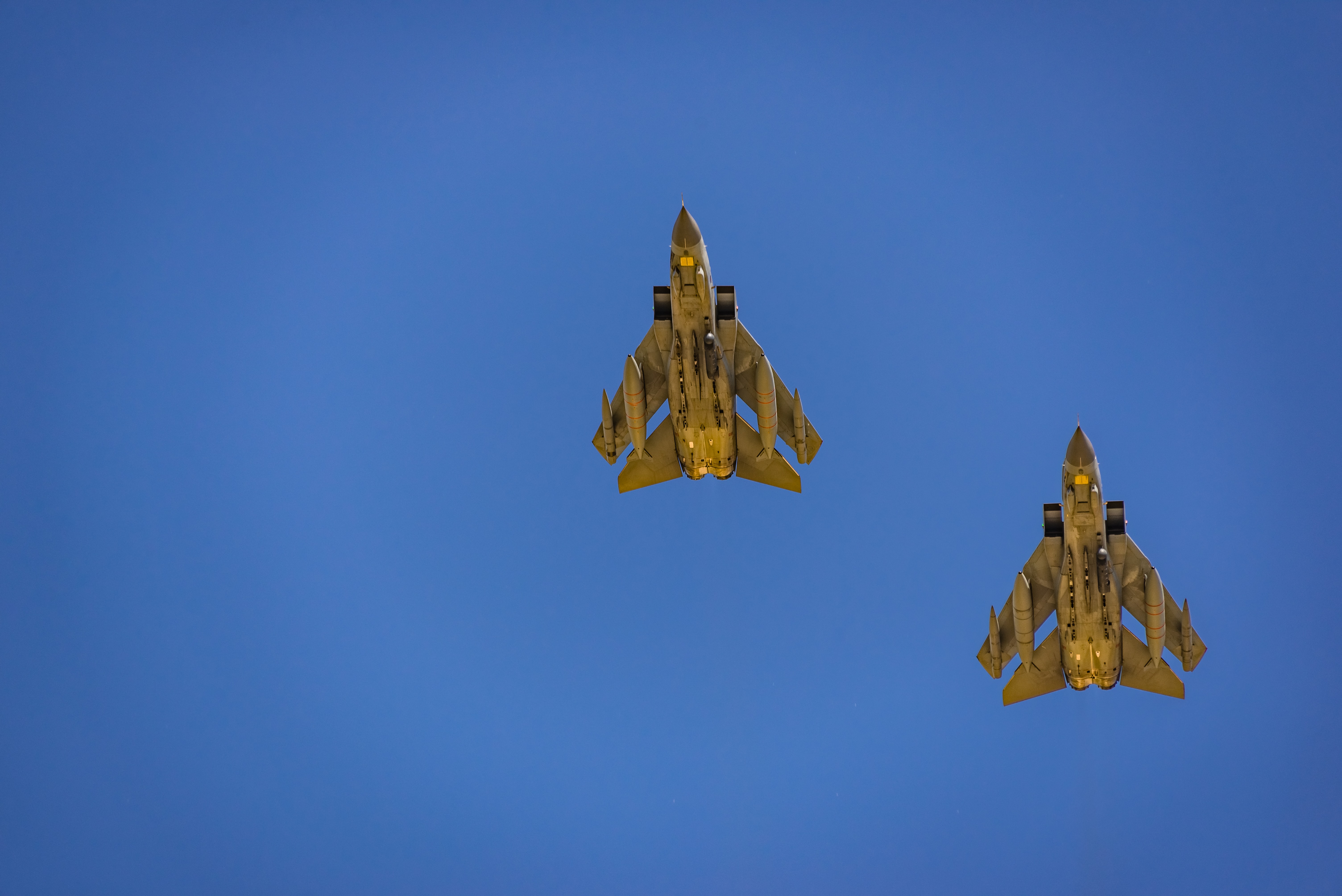
IntSen2 aims to create disruptive change by using cutting edge technology (AI) to develop an application concept for an IMINT...

Energy
Development of circular optimised material solutions for wind turbine blades and support structures


Project dates
2024-2028
Website
Role of Zabala
Partner
Project led by
SINTEF
8
Partners
6
Countries
€4M
Total budget
4
Years
The rapid shift toward larger offshore wind turbines—now reaching capacities of 15 to 20 MW—aims to enhance efficiency and reduce the levelised cost of energy. However, this scale introduces complex challenges, including increased exposure to environmental stressors and extreme loads. Existing simulation tools often fall short in modelling these conditions, resulting in design flaws and premature component failures. Blades and concrete floaters, in particular, have become more vulnerable, revealing limitations in current materials and manufacturing processes. These issues underscore the urgent need for advanced materials, high-fidelity modelling, and robust simulation tools to improve performance, reliability, and sustainability.
Aligned with EU objectives, CIRCWIND focuses on enhancing the reliability and sustainability of blades and concrete floaters. Key outcomes include a new damage-tolerant fibre-reinforced polymer (FRP) for blades, a circular low-carbon concrete for floaters, and advanced digital tools for lifetime prediction and failure modelling. These innovations, organised across three technological pillars, aim to extend component lifespans, improve circularity and reduce carbon footprint, while enabling cost-effective production, maintenance, and environmentally responsible decommissioning.
The project will deliver 14 key innovations, strengthening simulation capabilities and fostering high-performance materials for blades and floaters which will lower capital and operational costs, extend component lifespans, and position the EU as a leader in renewable energy. By reducing environmental impacts and import dependencies, the project contributes to the European Green Deal, driving a more resilient, inclusive, and sustainable energy future.


This project has received funding from the European Union’s Horizon Europeresearch and innovation programme under grant agreement No 101147517.

“Generating windfalls in sustainable energy technology”
Andreas Villareal
Dissemination and Communication in European Projects


Security and defence
IntSen2 aims to create disruptive change by using cutting edge technology (AI) to develop an application concept for an IMINT...

Agroalimentation and bioeconomy
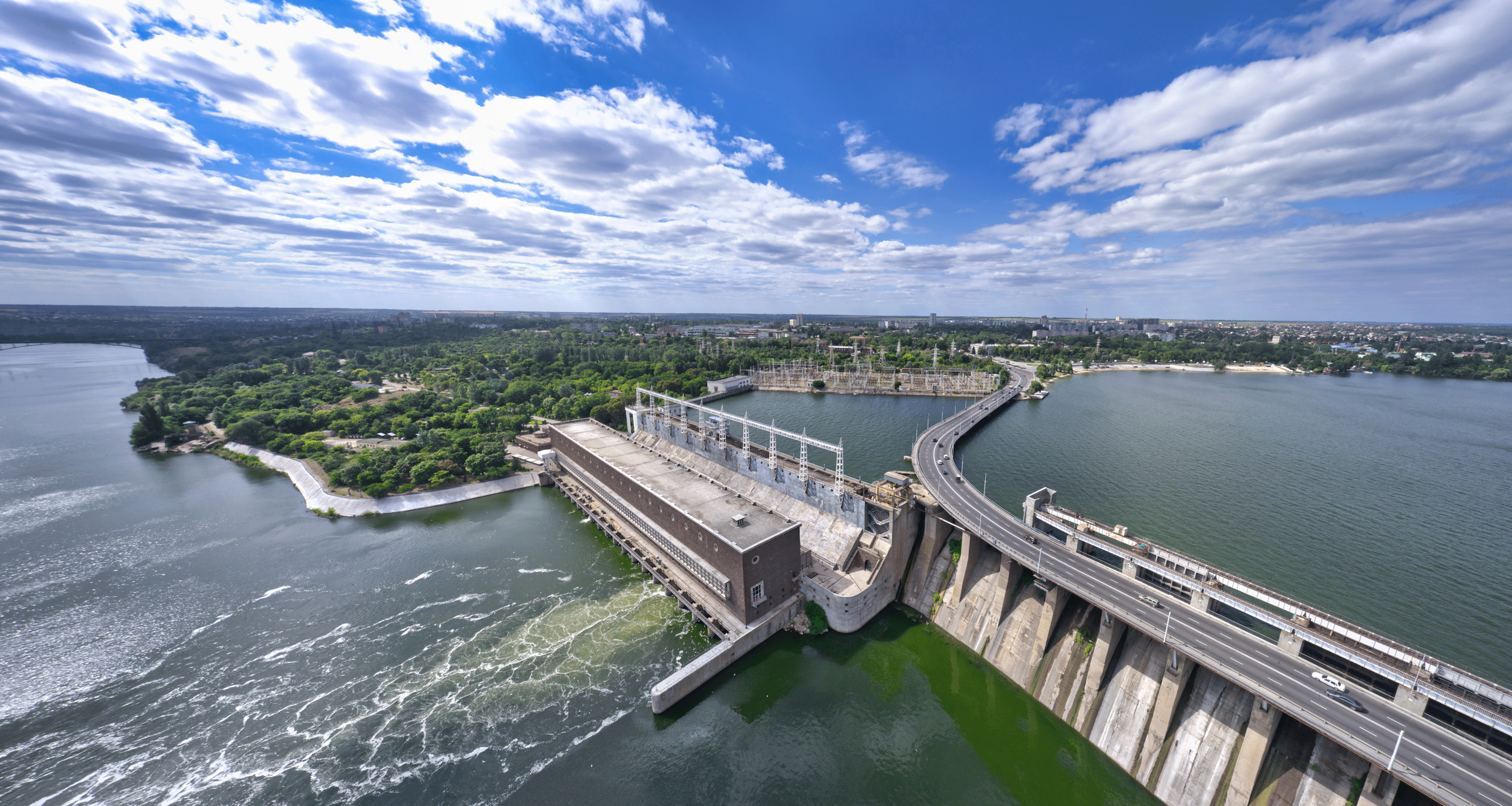
GO-GRASS will develop a new circular and integrated agri-food system whose main application will be in grasslands and which will...


Digital
BLOCKCHERS makes it easier for blockchain technologies to reach traditional SMEs.

News
Green transition
The EU maintains open funding channels for innovative circular economy projects

Opinion
CISAF
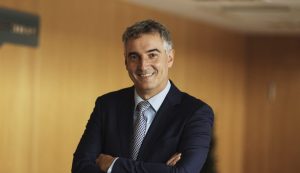
José Alberto de la Parte
Head of Strategic Projects / Executive Committee

Publication
CISAF
Discover the strategies and state aid for the energy transition in our CISAF Guide
Lo importante no es seguir avanzando, sino saber hacia dónde ir. Y nuestra tasa de éxito del 37% demuestra que en Zabala sabemos guiar a nuestros clientes.

Nuestra brújula es el cliente; nuestra misión es resolver sus problemas, guiándole para que la innovación se convierta en su clave de competitividad.