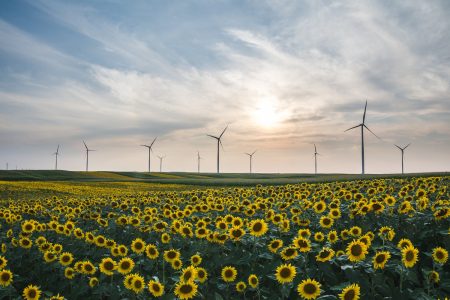
Amidst the global race to meet climate objectives, traditional energy systems are compelled to undergo unprecedented transformations to address emerging demands such as the integration of renewable energy sources, real-time monitoring, and a more consumer-centric model. This challenge underscores the urgent need for more intelligent and flexible electricity grids, as well as international collaboration to expedite their development. In this context, the International Smart Grid Action Network (ISGAN) brings together countries worldwide to exchange knowledge and coordinate policies that drive innovation in the sector. Aligning with these goals, “Zabala Innovation has been appointed as the Secretariat of ISGAN, reinforcing its commitment to a more sustainable and cooperative energy transition,” announces Alessandro Provaggi, director of the consultancy’s Brussels office.
In response to global changes, major economies—including Europe and the United States—have made significant investments in both the expansion of renewable energy generation and the modernisation of their grids. The focus has shifted beyond merely increasing renewable capacity to integrating these sources into existing networks, many of which are constrained by outdated infrastructures lacking real-time data monitoring.
Given these challenges, the energy sector is working on the evolution of smart grids, aiming to meet the growing demand for cleaner energy while enhancing the resilience, security, and adaptability of electrical infrastructures.
Through its work within the framework of the Clean Energy Ministerial (CEM) and the International Energy Agency’s (IEA) Technology Collaboration Programme, ISGAN—which brings together government experts from 25 countries and the European Commission—participates in international initiatives aimed at promoting the development and adoption of smart electricity grids.
Strategic alliances
Through technical cooperation, policy analysis, and knowledge exchange, ISGAN promotes the global adoption of smarter systems that enhance energy efficiency, enable the integration of new energy sources, support electrification efforts, and strengthen grid flexibility. Beyond the aforementioned CEM and IEA, ISGAN also collaborates with other strategic associations such as the Global Smart Energy Federation and the Mission Innovation, among others. “As this network continues to disseminate best practices globally, the strength and breadth of its strategic alliances will be key to maintaining coordinated progress towards intelligent, resilient, and sustainable energy systems worldwide,” asserts Provaggi.
“As the manager and coordinator of ISGAN’s Secretariat’s daily activities, Zabala Innovation brings its extensive experience in managing governance bodies and fostering stakeholder participation in various European platforms,” highlights Provaggi, citing the consultancy’s involvement in initiatives like ETIP SNET, Batteries Europe, and ETIP Hydropower. “This collaboration with ISGAN is a natural continuation of our objective to promote sustainable innovation and support actions related to smart grids, demonstrating our strong capacity to coordinate and promote complex yet strategic forms of collaboration,” elaborates the director of Zabala Innovation’s Brussels office.
In his words, “Zabala Innovation’s extensive experience in the fields of energy, innovation, and research projects translates into a valuable asset to support ISGAN’s objectives: the team’s expertise in dissemination and communication will undoubtedly contribute to enhancing visibility, stakeholder engagement, and knowledge exchange activities; and ts financial and administrative excellence will support the organisation’s transparency and operations.”
ISGAN and the grids of tomorrow
Looking ahead, it is evident that smart grid technologies will be characterised by the convergence of digitalisation, decentralisation of energy systems, and decarbonisation. At the heart of this transformation lies the integration of artificial intelligence and machine learning, which will enable the implementation of crucial functions such as predictive maintenance, real-time grid optimisation, and autonomous decision-making across the energy network.
Digital platforms like data spaces and smart meters will reduce the granularity of energy management and promote the transition from a unidirectional supply chain to bidirectional ecosystems, where consumers become active participants (prosumers), generating, storing, and managing their own energy. This, in turn, will give rise to new types of users requiring changes in tariff design or demand response mechanisms, among others.
This development is deeply intertwined with regulatory frameworks that must ensure climate neutrality and energy security. Through its Green Deal, the Fit for 55 and Clean Energy for All Europeans packages, and the REPowerEU Plan, the EU has emphasised the need to modernise electrical infrastructure. It has also highlighted the importance of developing smarter grids that offer greater flexibility and interconnection, capable of managing significant fluctuations and enabling efficient energy distribution in real-time markets.
ISGAN’s mission aligns with these objectives and serves as a vehicle for knowledge exchange and regulatory innovation that facilitates the responsible scaling of smart grids globally. In this ideal future, smart grids will be interoperable and operate under common standards that allow cross-border cooperation.
“Smart grids are central to the energy transition. Not only as enablers of renewable integration, but as the backbone for a cleaner, flexible, digital, and more participatory energy future. Zabala Innovation’s commitment is clear: to help model this transformation alongside our global partners, ensuring that the shift remains green, inclusive and grounded on real-world needs,” concludes Provaggi.