Climate, Natural Resources and Environment
DigiEcoQuarry
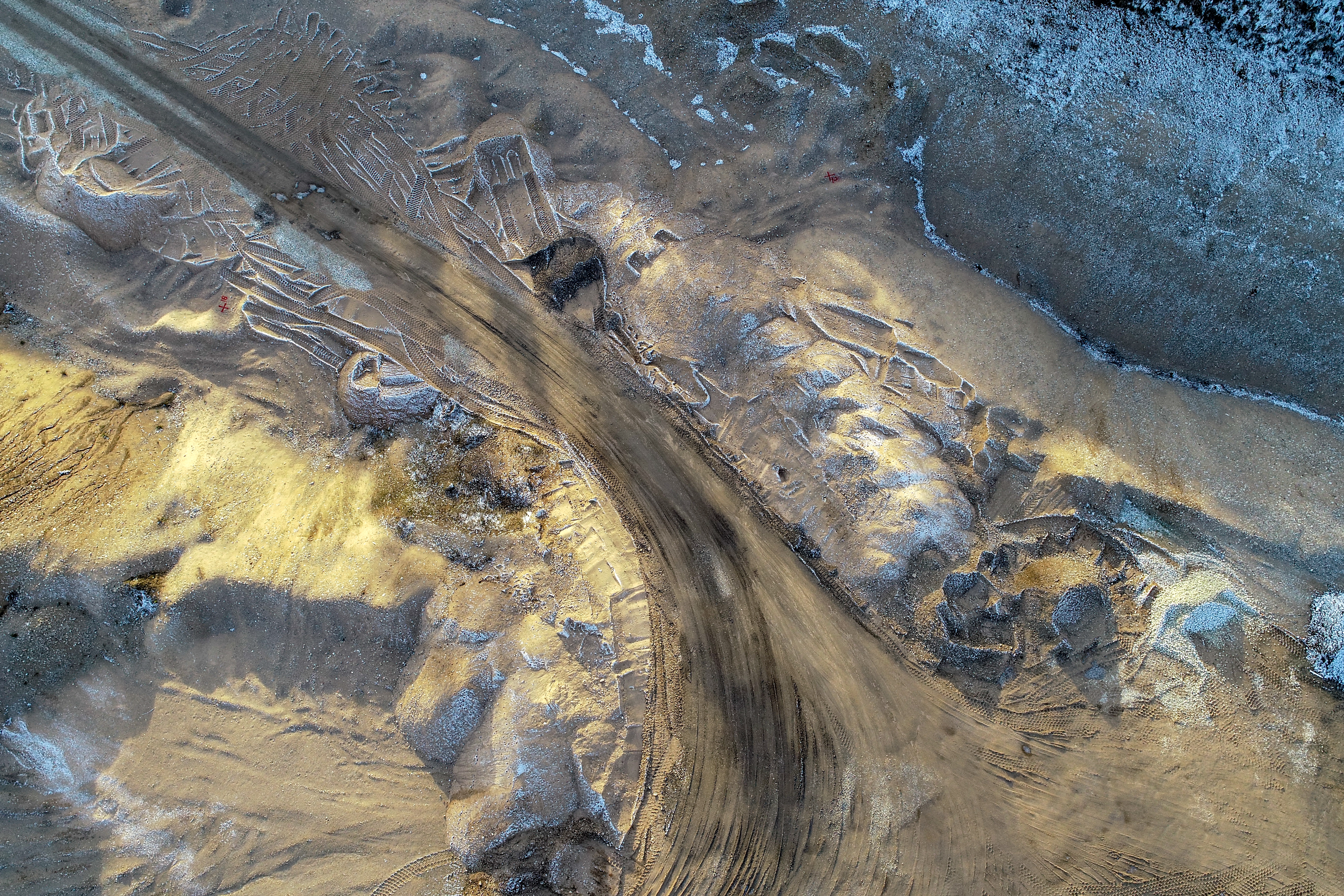
Currently, quarries are missing the great opportunities of digitalisation. In fact, they use ≤1% of the data produced. The biggest...

Agroalimentation and bioeconomy
Unlocking Efficient Bio-Based Fertilisers for Soil Sustainability from underutilised side streams.


Project dates
2024-2028
Website
Role of Zabala
Partner
Project led by
NEIKER-Instituto Vasco de Investigación y Desarrollo
21
Partners
7
Countries
8 M€
Total Budget
4
Years
LANDFEED aims to use local and sustainable resources to produce bio-fertilisers to improve soil health, reduce GHG emissions and protect water resources. LANDFEED seeks to harness underutilised bio-waste, involving value chain stakeholders to produce and validate 10 innovative products at competitive prices. In this way, the project responds to the challenge of improving the sustainability of fertilisers and reducing their environmental impact.
By optimising processes for nutrient recovery from different wastes, LANDFEED will facilitate the use of underutilised sources such as agri-food waste (dairy, oil, fish and meat), urban and freshwater fish farm sludge, anaerobic digestion residues and waste pulp (microalgae). The project will also develop specific coatings for biofertilisers to modulate nutrient release and will assess their feasibility through 5 use cases.
LANDFEED will boost circularity by generating the knowledge to develop new bio-fertilisers. The estimated production of 95,000 tonnes of new bio-fertilisers, with estimated sales of €245.35 million per year, will contribute to a more competitive bio-economy in the EU, promoting sustainable growth and soil health on an estimated 3.9 million hectares and boosting a market for bio-based secondary raw materials in the EU.


This project has received funding from the European Union’s Horizon Europeresearch and innovation programme under grant agreement No 101157636.

“LANDFEED fosters circularity by using sustainable, local resources to create bio-based fertilisers to enhance soil health and reducing environmental impacts”
Juan Carlos Pérez
R&D Consultant


Climate, Natural Resources and Environment
Currently, quarries are missing the great opportunities of digitalisation. In fact, they use ≤1% of the data produced. The biggest...
Climate, Natural Resources and Environment
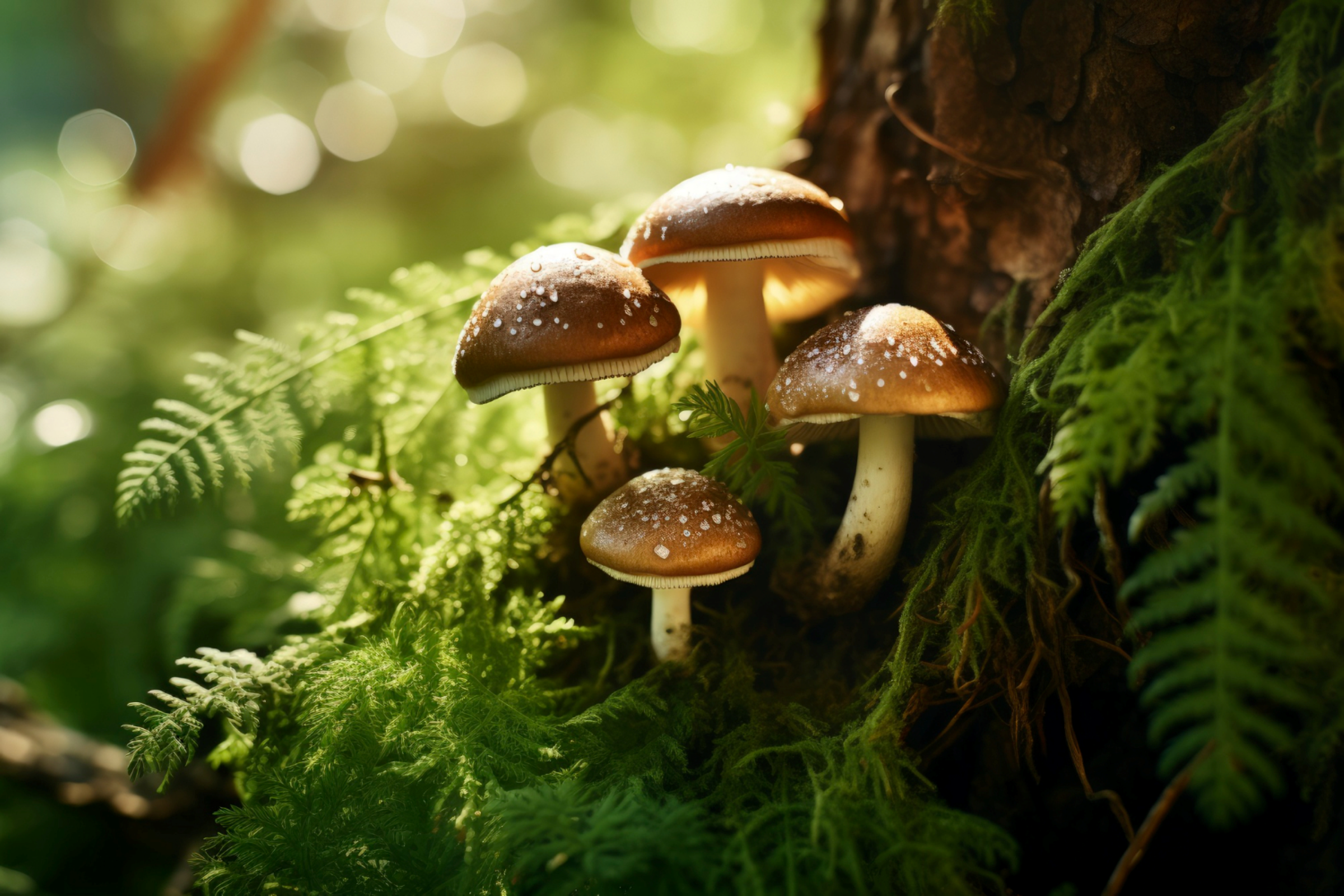
Soil biodiversity plays a fundamental role in protecting and promoting the ecosystem functions and services (EFS) provided by soil. BIOservicES...

Climate, Natural Resources and Environment
The LIFE VIABLE project aims to improve the sustainability and the environmental impact of epoxy resins manufacture by lowering the...

News
ENERGY
The company took part in panels, debates and stands on industrial competitiveness, decarbonisation and energy data spaces, showcasing several European projects driving the energy transition
Opinion
ATELIER PROJECT
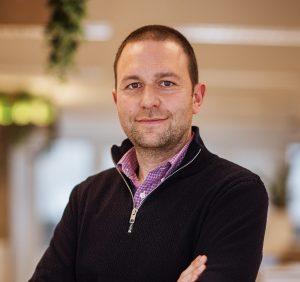
Julen Ugalde
Head of European Projects at the Bilbao office

Publication
10th Framework Programme
Explore the document in which we share our recommendations and strategic vision for the forthcoming 10th Framework Programme
Lo importante no es seguir avanzando, sino saber hacia dónde ir. Y nuestra tasa de éxito del 37% demuestra que en Zabala sabemos guiar a nuestros clientes.

Nuestra brújula es el cliente; nuestra misión es resolver sus problemas, guiándole para que la innovación se convierta en su clave de competitividad.